
the rug within the room
a rug can establish the proportions of a sitting area and introduce another layer of colour and texture. its selection deserves consideration alongside the furniture, rather than after everything else has been placed.
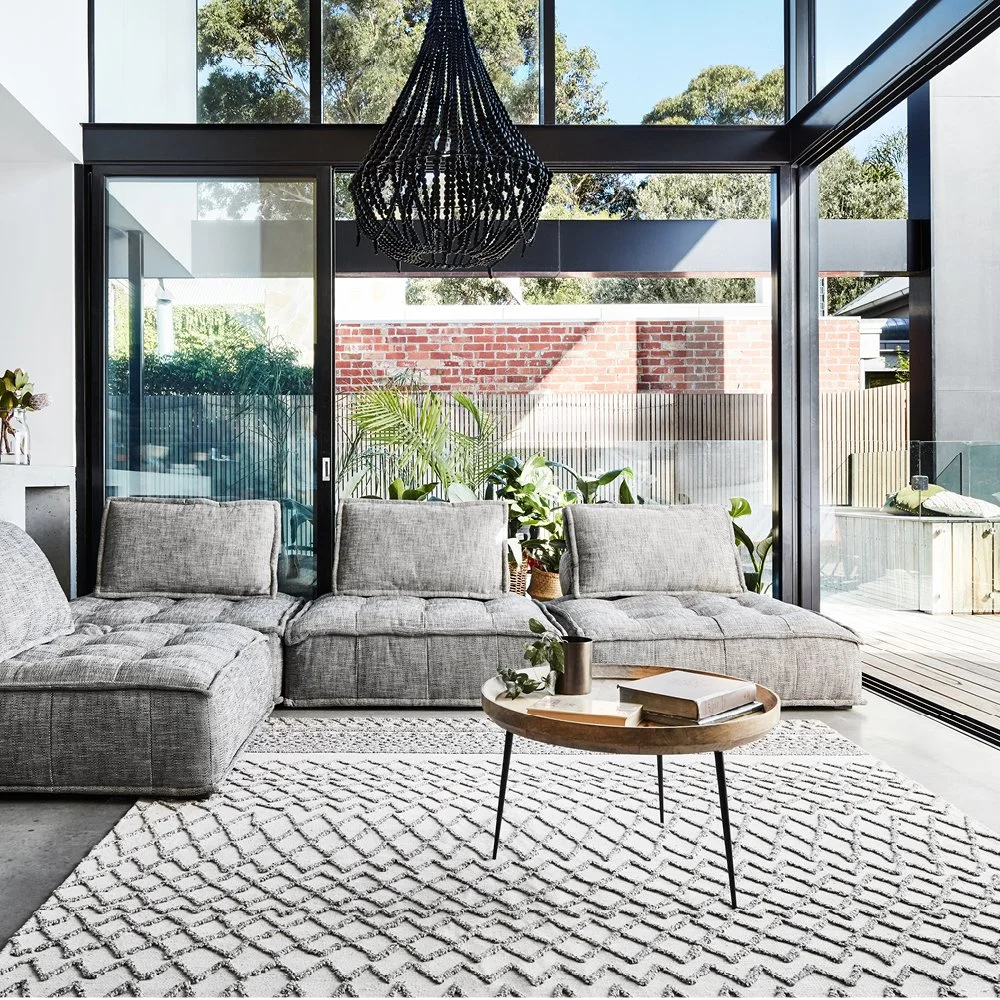
our melbourne furniture selection considers rugs as part of the complete room. scale, shape and material work together to give an interior a settled composition.
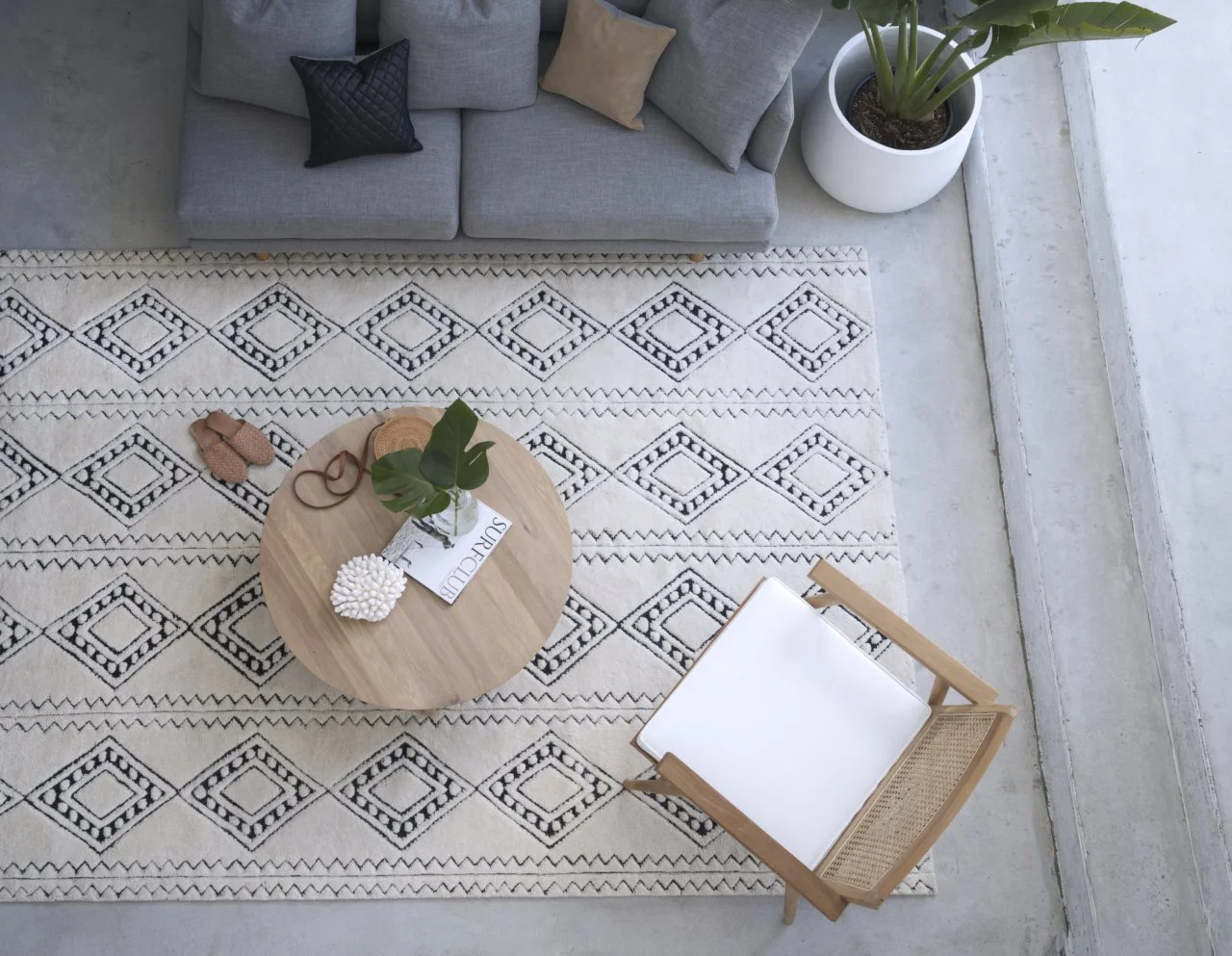
begin with the proportions
measure the furniture arrangement and surrounding circulation before deciding on a size. a rug should connect the pieces it serves, with a deliberate relationship to their legs and edges.
in a dining room, allow for chairs when pulled out. in a living room, consider how the rug defines the conversation area within the wider plan.
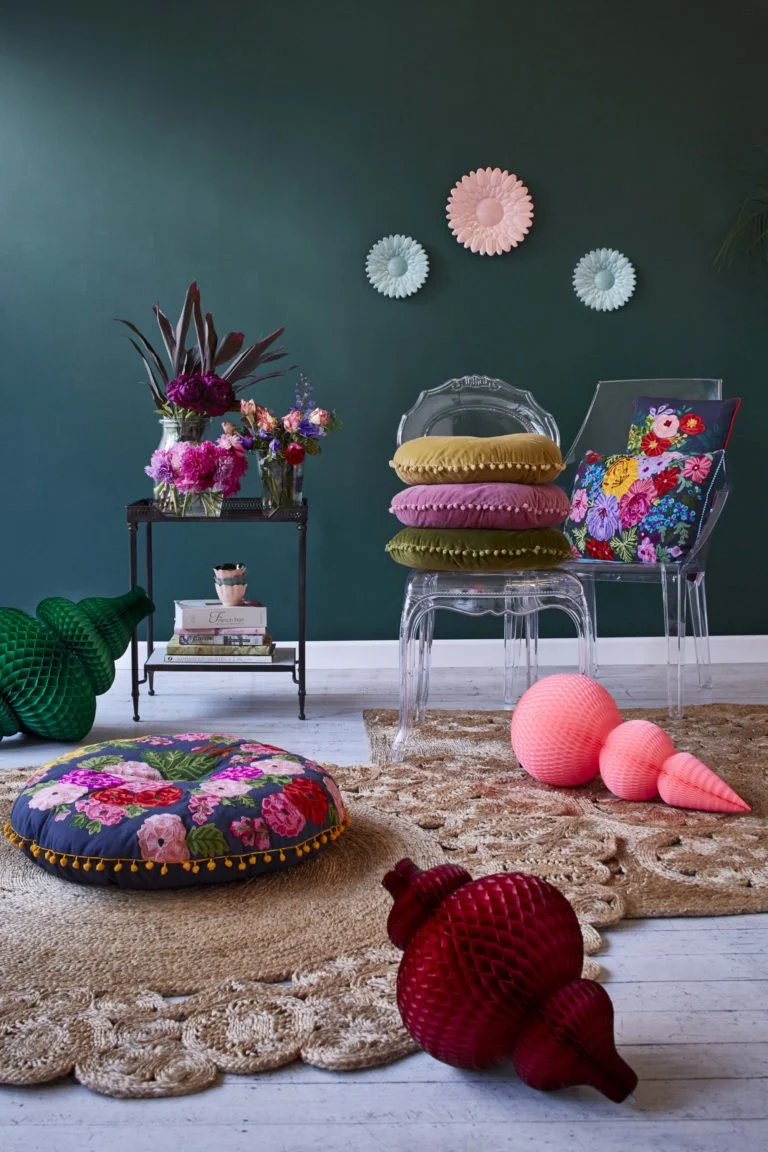
consider the shape
a rectangle may suit the architecture, while a circular or custom form can respond to curved furniture or a less conventional arrangement. the choice should clarify the room rather than introduce an unnecessary competing shape.
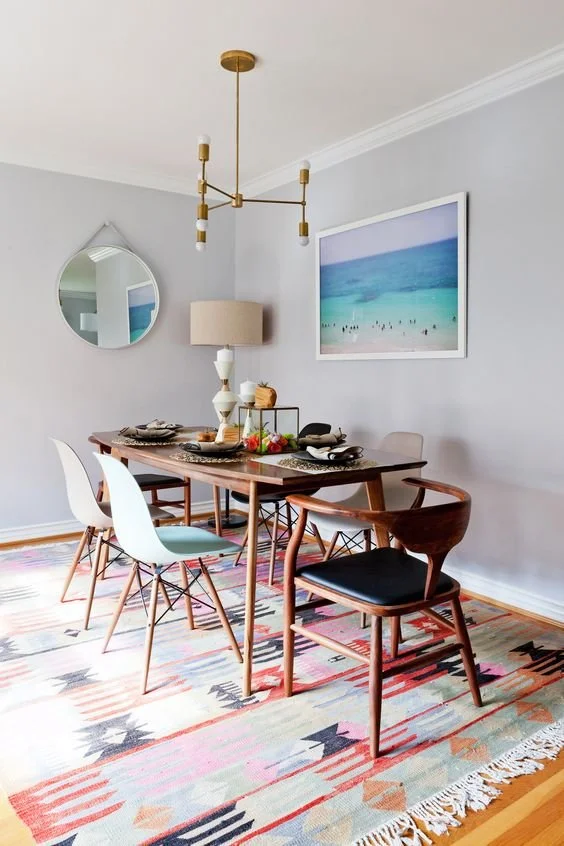
balance colour and pattern
a rug can carry the room’s more expressive element or offer a quiet foundation. review it with upholstery, timber and artwork so that the palette feels connected.
sample colours within the actual light where possible. fibre and pile direction can change the way a tone is perceived.
understand the material
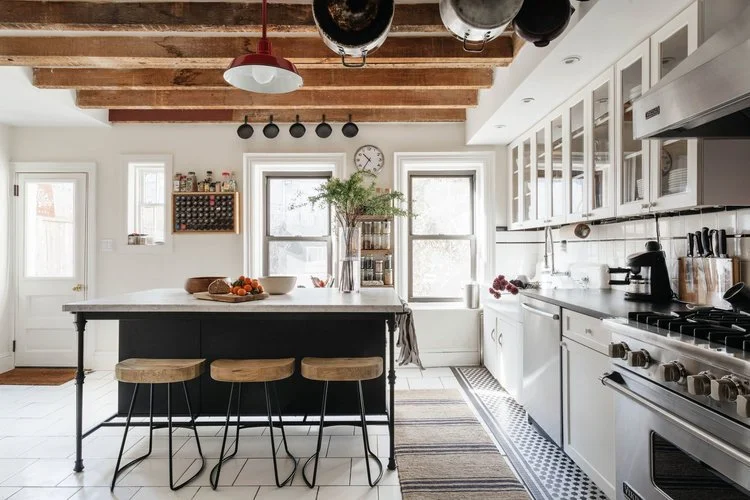
select fibre, weave and pile for the room’s use, including pets, foot traffic and cleaning needs. dining rooms can demand particular attention to spills and chair movement.
review care instructions and use an appropriate underlay. durability cannot be judged by colour or price alone.
respond to the setting
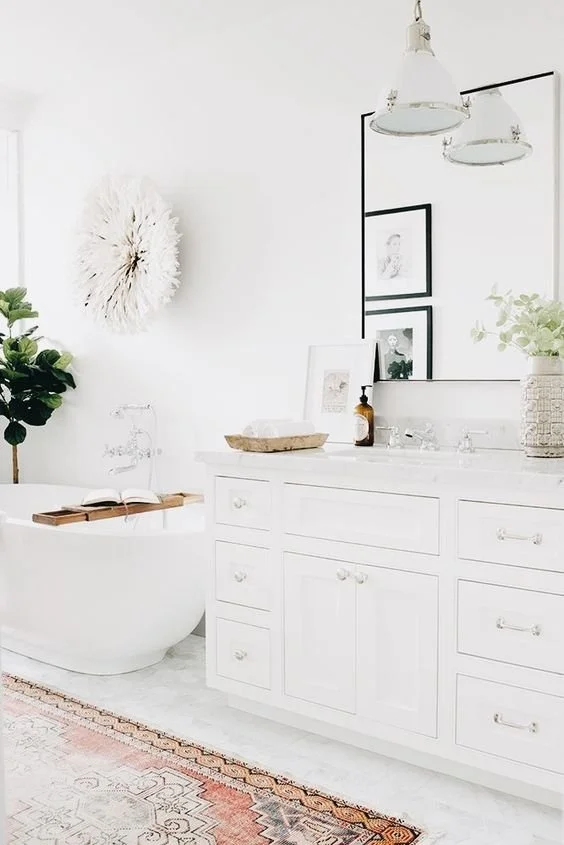
a runner can organise an entry, while a bedroom rug brings softness beside the bed. wet or cooking areas require materials specifically suited to those conditions and a secure, unobstructed placement.
from our essendon studio, we coordinate rugs through interior styling, including bespoke designs where a particular scale or composition is required.