
space for quieter routines
a considered home makes space for both activity and rest. the arrangement of rooms, the quality of light and the choice of materials can shape how comfortably we use an interior.
these reflections began during the disruption of 2021. their enduring focus is a home that responds to daily life, rather than a promise that design alone can deliver wellbeing.
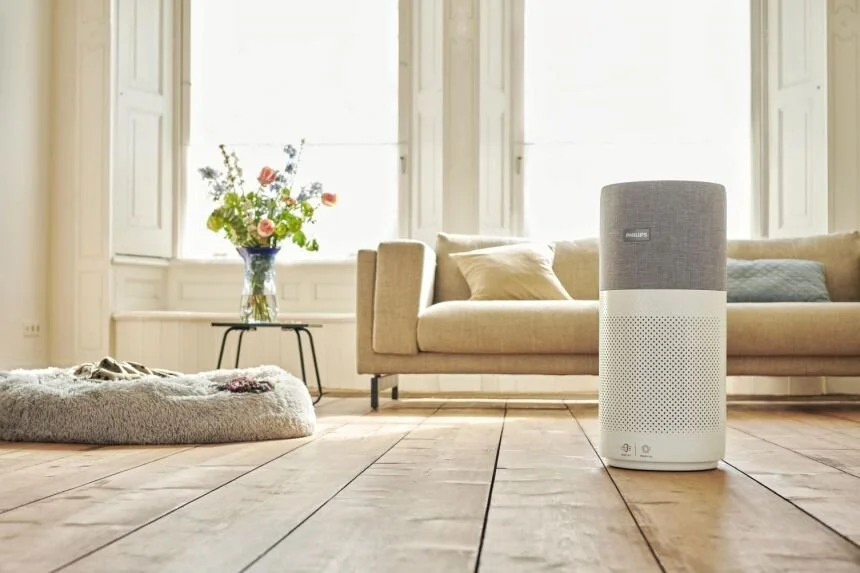
consider materials and ventilation
review finishes, cleaning requirements and ventilation as part of the design brief. where low-emission products are a priority, assess the specific product information and suitability for the intended application.
plants can bring a welcome visual connection to nature, but should not be relied on to purify indoor air. specific air-quality concerns require appropriate professional advice. our materials and finishes specification helps coordinate these practical considerations with the interior palette.
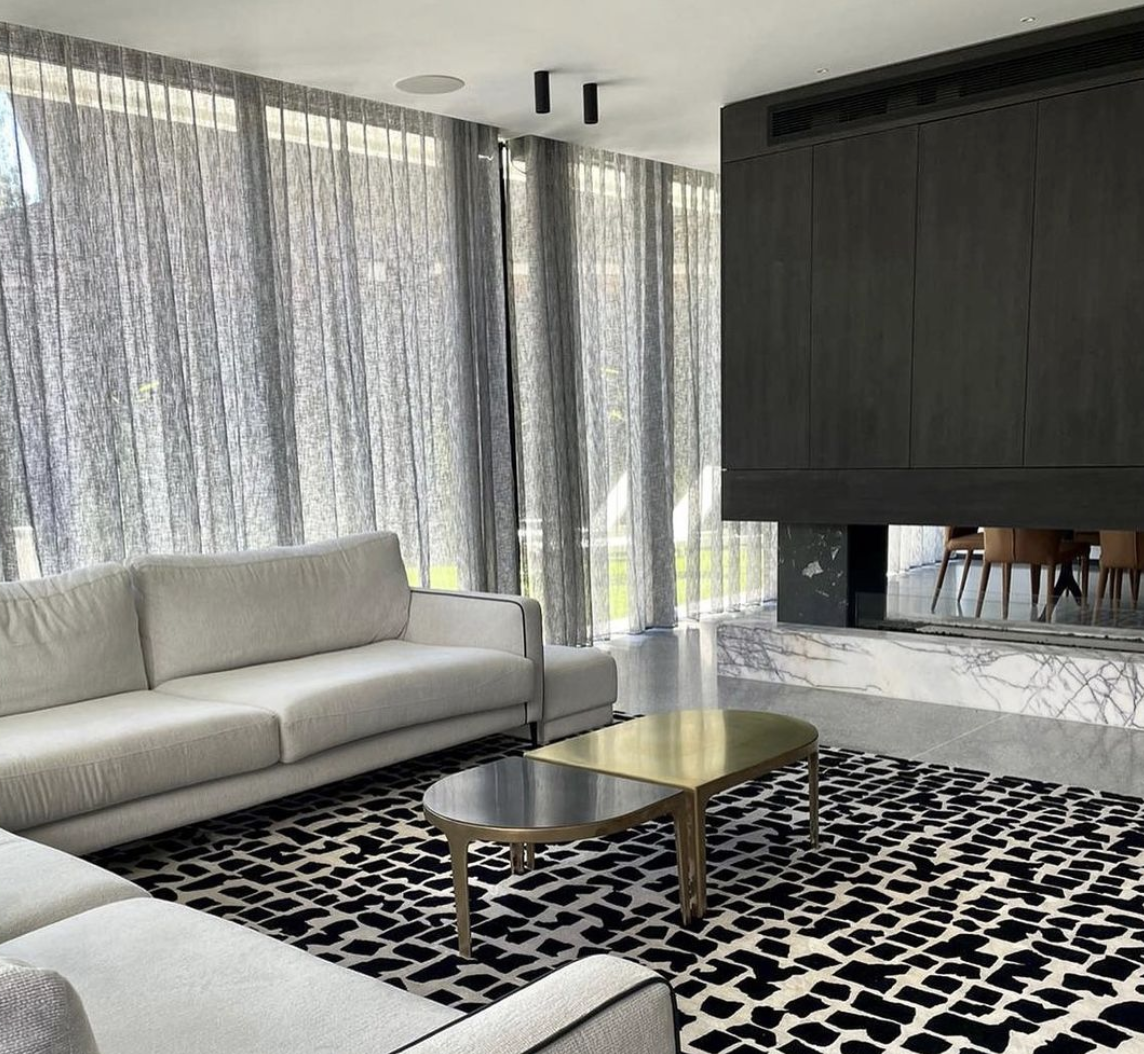
work with natural light
observe how daylight moves through the home before arranging furniture or choosing window treatments. a reading seat beside a window may offer a more comfortable everyday experience than a room organised around its centre alone.
balance available light with glare, privacy and heat. custom window furnishings can moderate these conditions, while mirrors and lighter surfaces alter how the room’s light is perceived.
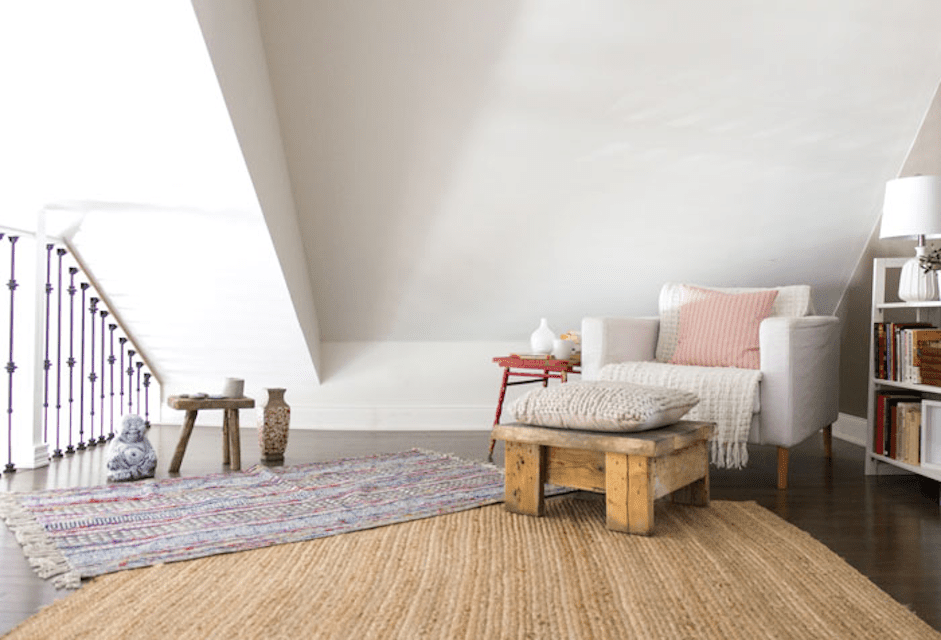
make room for quiet
a place to pause need not be a separate room. a comfortable chair, useful reading light and a view beyond the immediate activity of the house can establish a quieter corner.
select furnishings for how they will be used and keep the surrounding composition restrained. our essendon studio’s residential interior design considers these moments within the complete melbourne home, alongside circulation, storage and the demands of family life.