
a useful interior design brief begins in your own words. describe what you want to change, what you value and the moments that are difficult in the home as it stands. those details give the design a purpose.
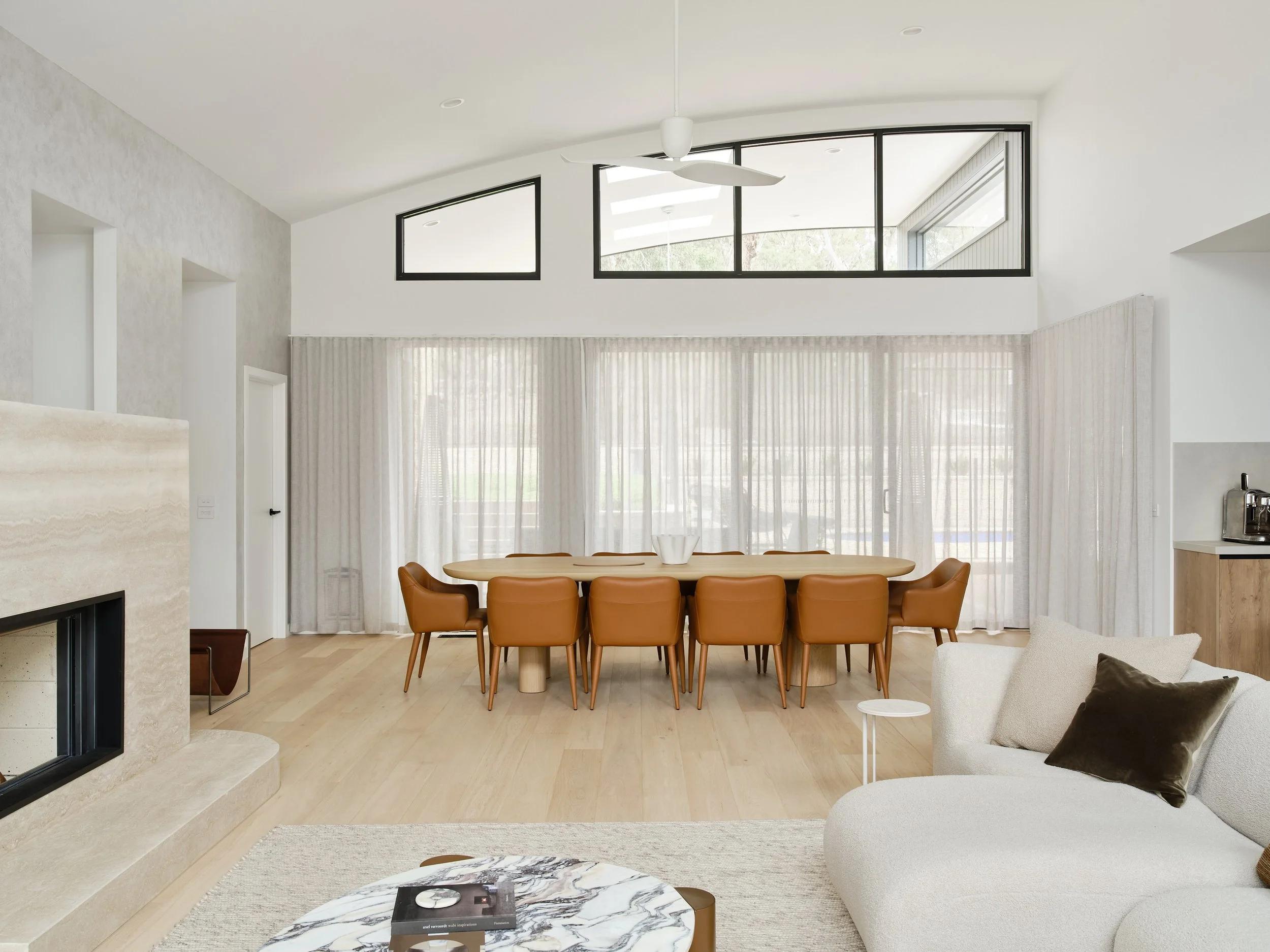
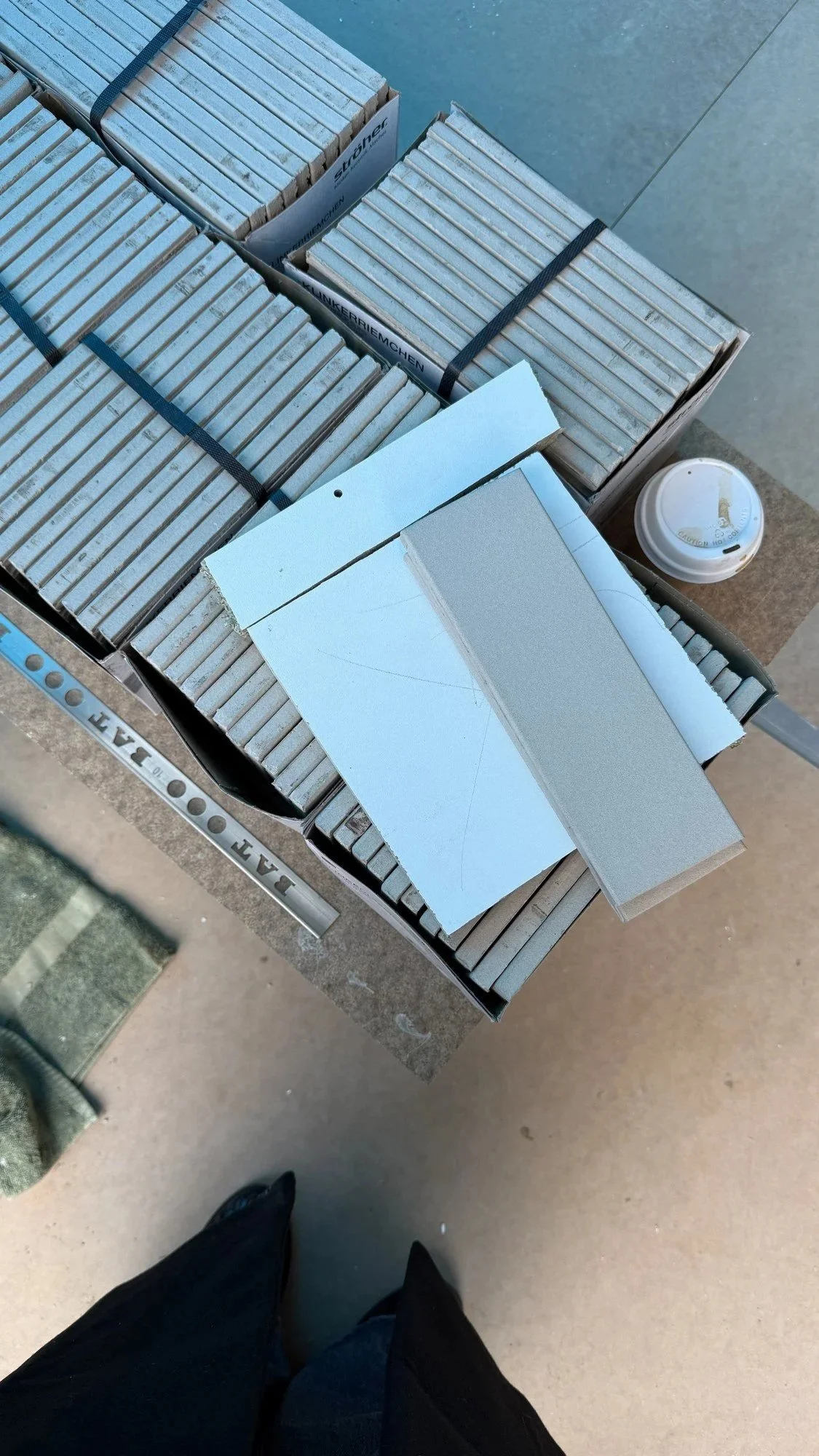
start with an ordinary day
document the rooms through an ordinary day. explain where belongings accumulate or tasks compete for space, alongside the sunny seat or garden view you enjoy. identify priorities when two tasks need the same area or budget.
explain the pictures you like
annotate references with the parts that interests you: a material relationship, colour or arrangement. include photographs of your own rooms and pieces you would like to retain, so the designer can connect those ideas with the rooms setting.
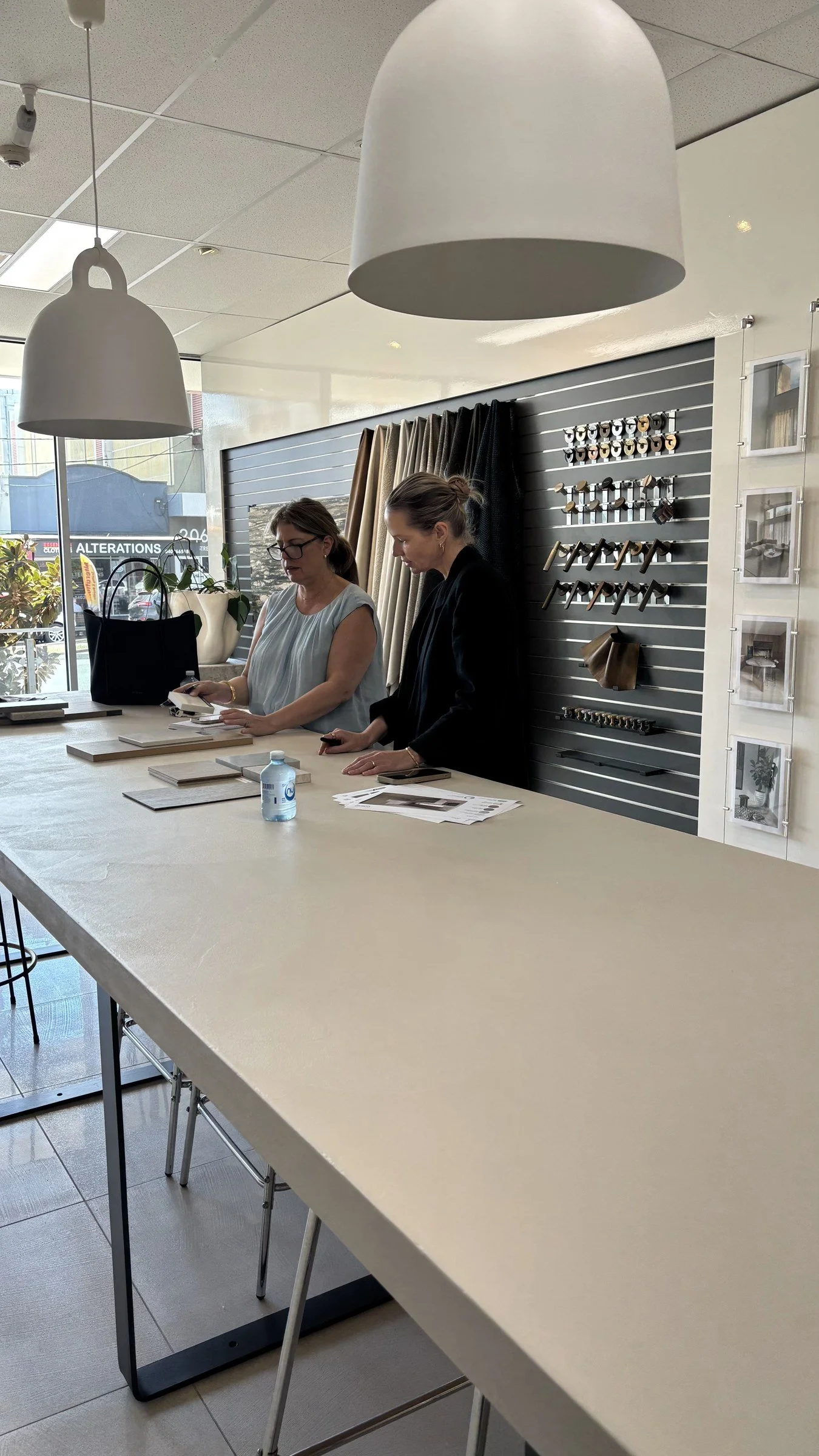
include the practical information
include location, rooms, intended spending and what stage the projects at, note any existing orders and identify the deadlines. leave any choices which you are uncertain about as questions. send that outline with your first enquiry so the conversation can begin with an understanding of what has been established.