
the rhythm of pattern
pattern creates rhythm, from the line of an upholstered seam to the repetition of a tiled surface. its effect depends on scale, spacing and the quieter materials around it.
this december 2019 archive brings together eight references. our interior decoration and styling service in melbourne considers pattern as part of a coherent palette, rather than an isolated feature.
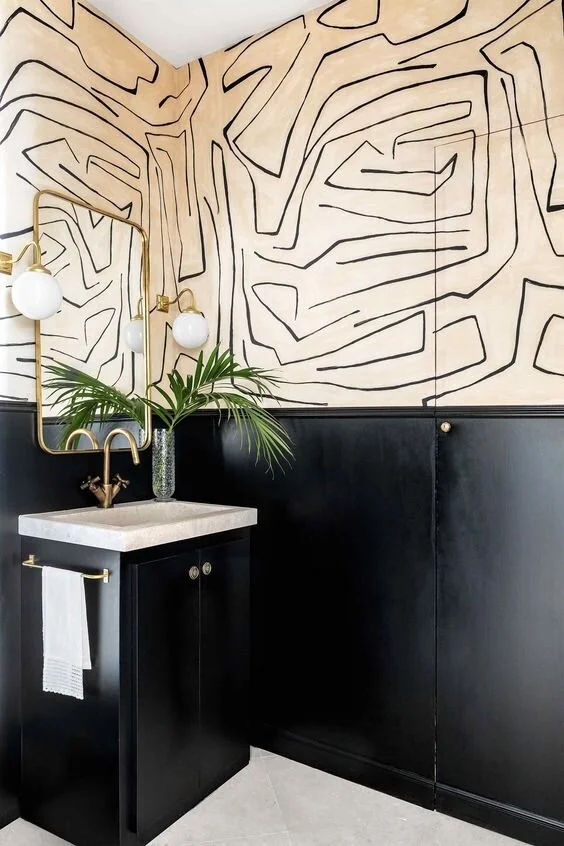
graffito fabric, kelly wearstler
the broad graphic marks of graffito show how scale changes a pattern’s presence. a large sample is essential: the repeat needs to be understood across the intended cushion, curtain or upholstered surface.
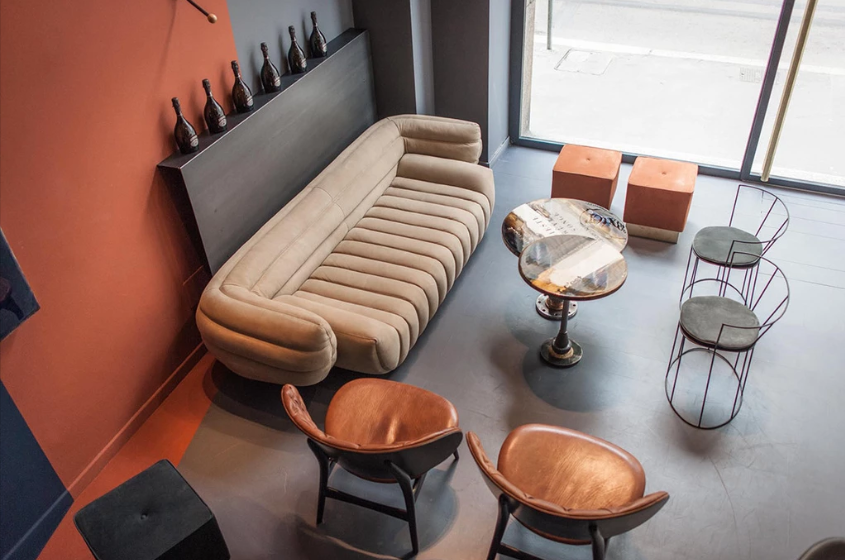
tactile sofa, baxter
the tactile sofa creates pattern through its construction and repeated lines. the upholstery’s seams and folds contribute depth without a printed motif, giving surface detail a role in the overall form.
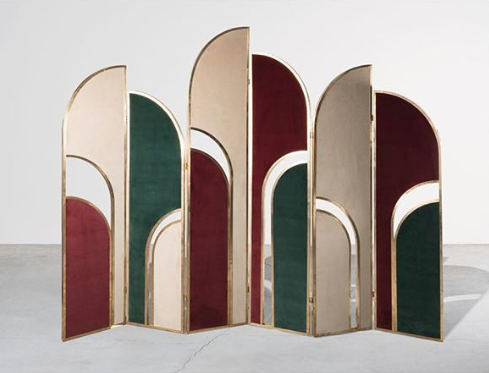
folding screen, marsica fossati
repeated curves and contrasting velvet panels give this screen a distinct rhythm. a piece with strong pattern needs room around it, with placement considered from both sides and within the wider circulation.
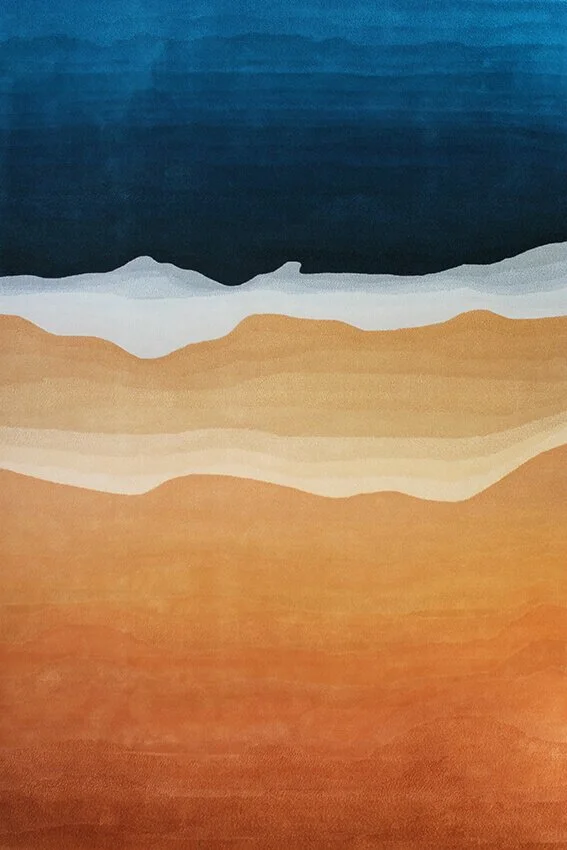
coast rug, tsar carpets
flowing lines carry pattern across the coast rug. view a rug with the furniture arrangement in mind, considering where the design remains visible and how its colour relates to upholstery and flooring.
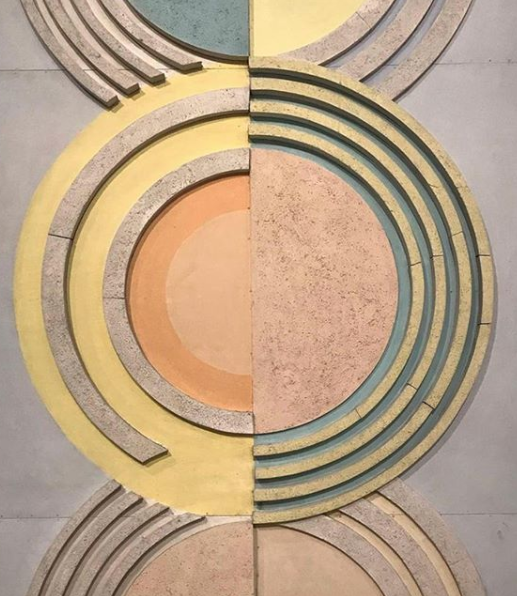
robert delaunay
the robert delaunay reference brings colour and repeated geometry into the discussion. an artwork can establish a room’s direction without requiring its pattern to be repeated in the furnishings.
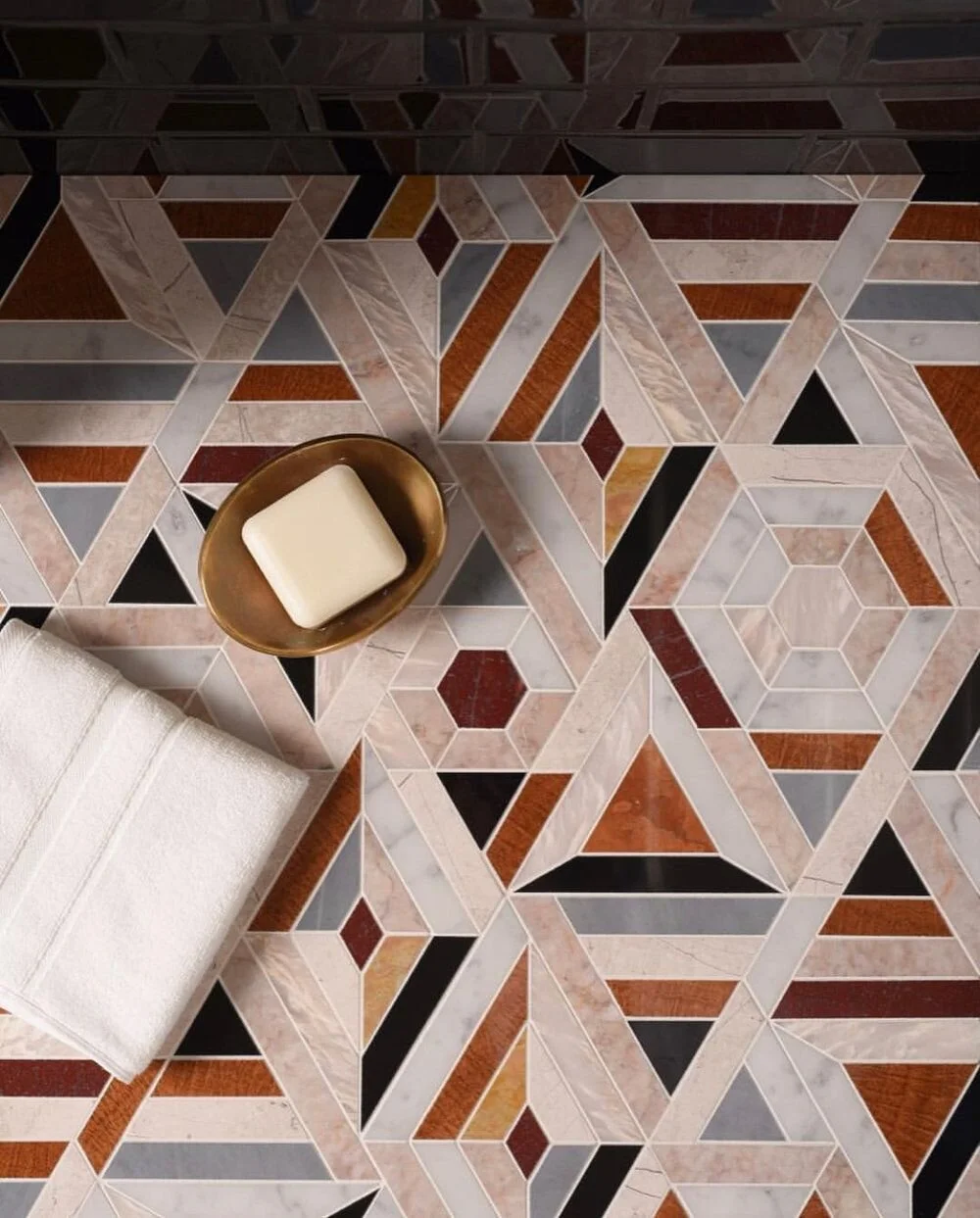
geometry iii tiles, elegantia group
a tile’s repeat is only fully understood across a larger area. set-out, grout colour, edges and transitions need to be planned together, particularly where a patterned floor meets a simpler adjoining space.
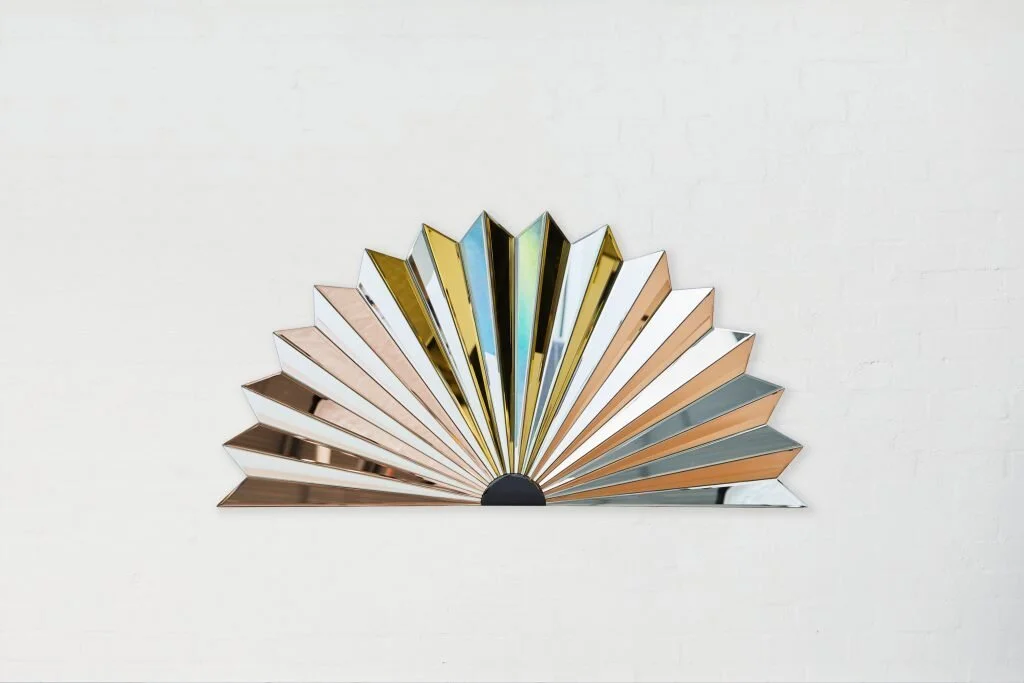
fan mirror, reflections copenhagen
the fan mirror uses repeated segments to create a graphic silhouette. its reflections become part of the design, so review what it will reflect and how light moves through the room.
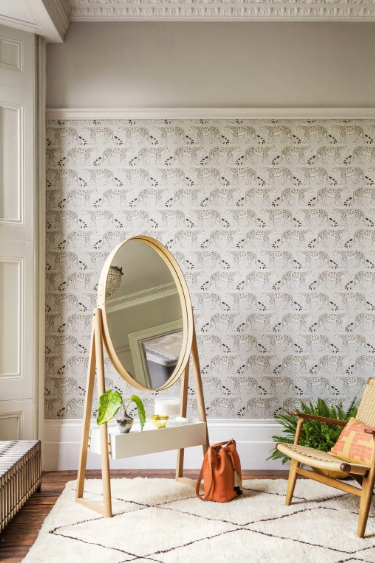
leopard walk wallpaper, cole & son
the leopard walk reference explores pattern through an illustrated repeat. the wall’s dimensions, openings and the position of furniture influence how a wallpaper composition is read.
materials and finishes specification connects these choices with their application, balancing visual character with practical detail.