
a curve can guide movement, frame a view or give a single piece of furniture a distinctive outline. its value lies in the relationship to the room: the space it opens, the corner it softens and the straight lines beside it.
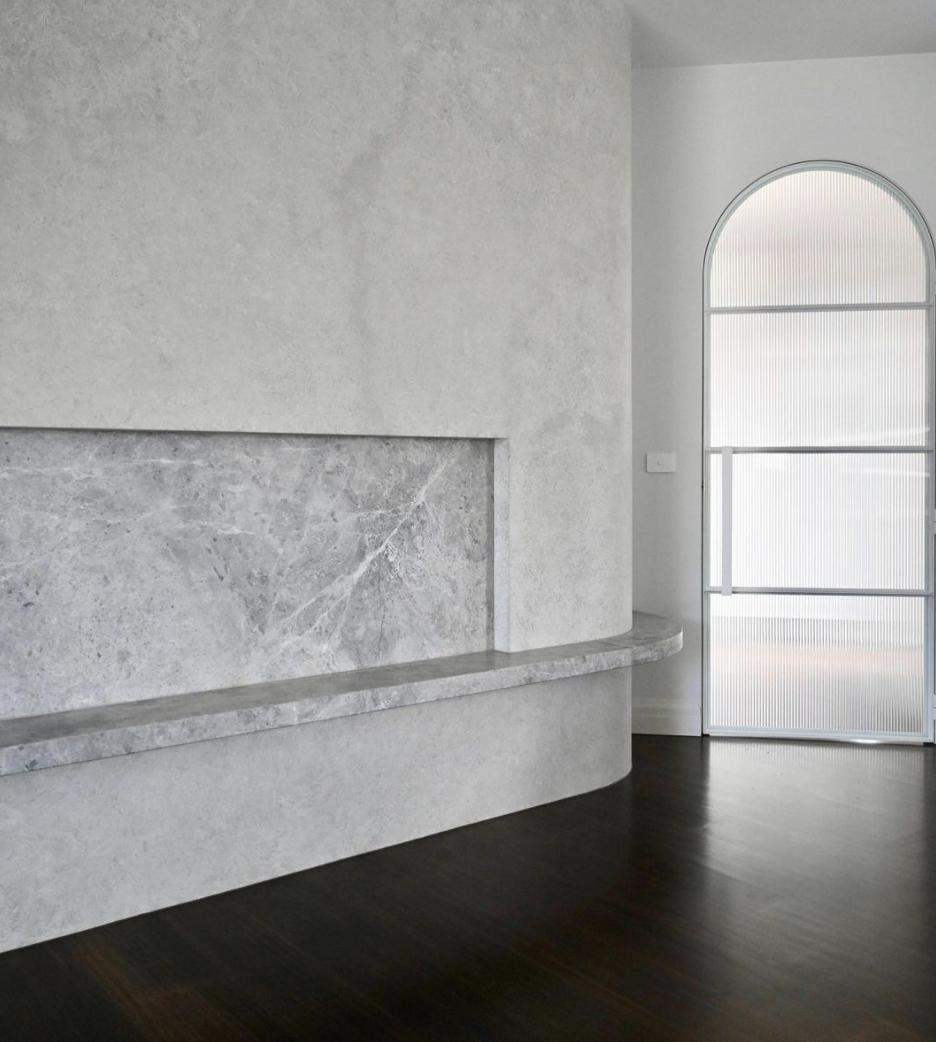
an opening between rooms
consider an arched opening from both adjoining rooms and along the approach. its proportions should relate to nearby doors and windows. discuss any alteration to the existing building with your designer and builder before confirming the form.
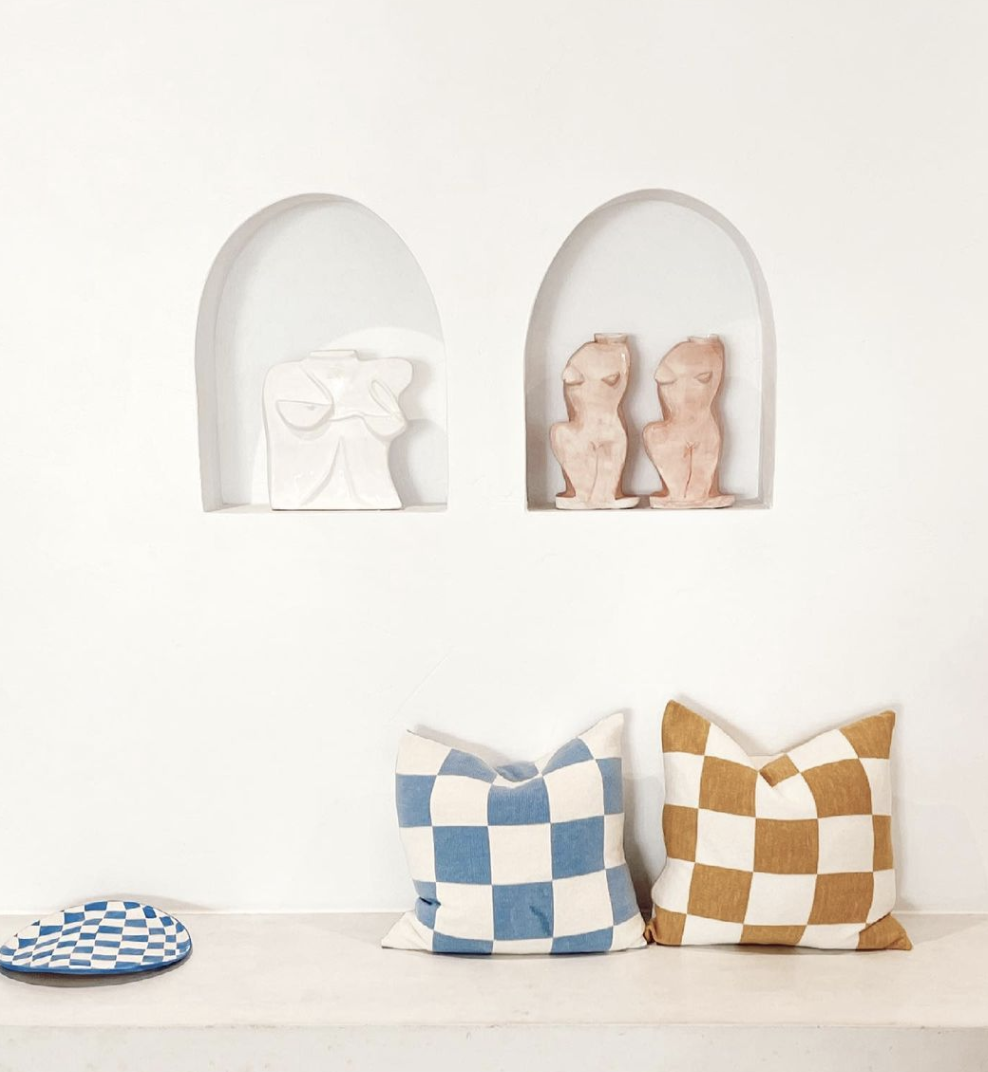
image source: casa campana
a recess with something to do
decide what the recess will hold, whether seating, shelves or a favourite object. that purpose helps establish its depth and scale. a considered light or finish can reveal the curve without filling the space around it.
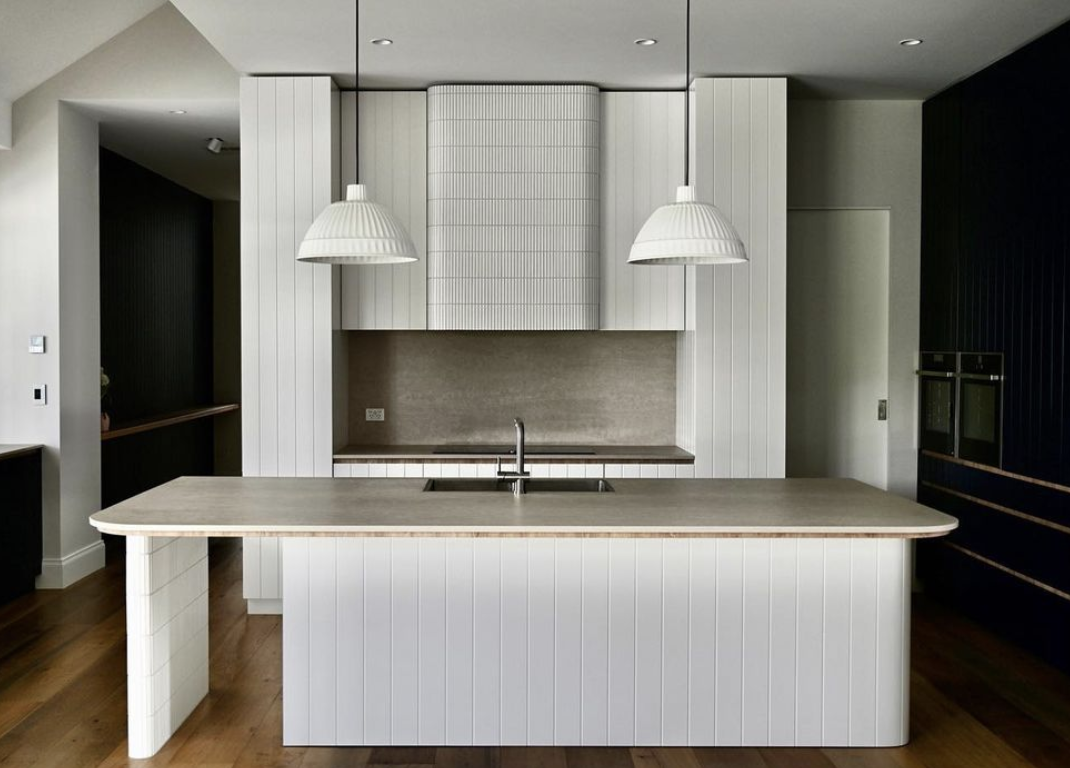
a kitchen or bathroom corner
a curved island or vanity can change the route through a room. establish working space and storage first, then explore the edge. joinery design also needs to resolve how the curve is constructed and how materials meet.
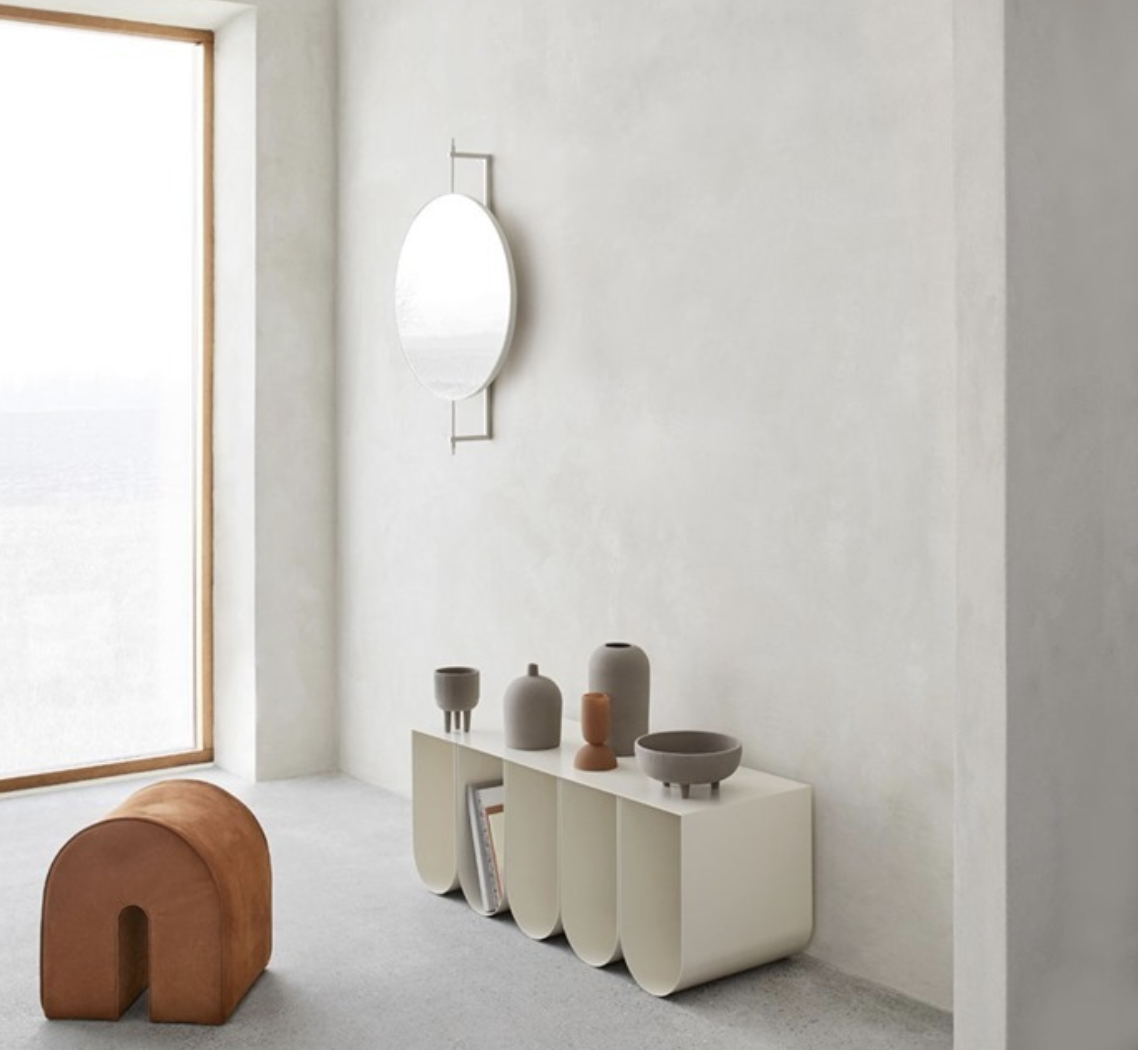
one piece of furniture
a rounded table, sofa or bedhead can introduce a curve within the existing architecture. the pictured simple form design offers one reference. mark the dimensions in the room to understand its relationship to surrounding pieces.
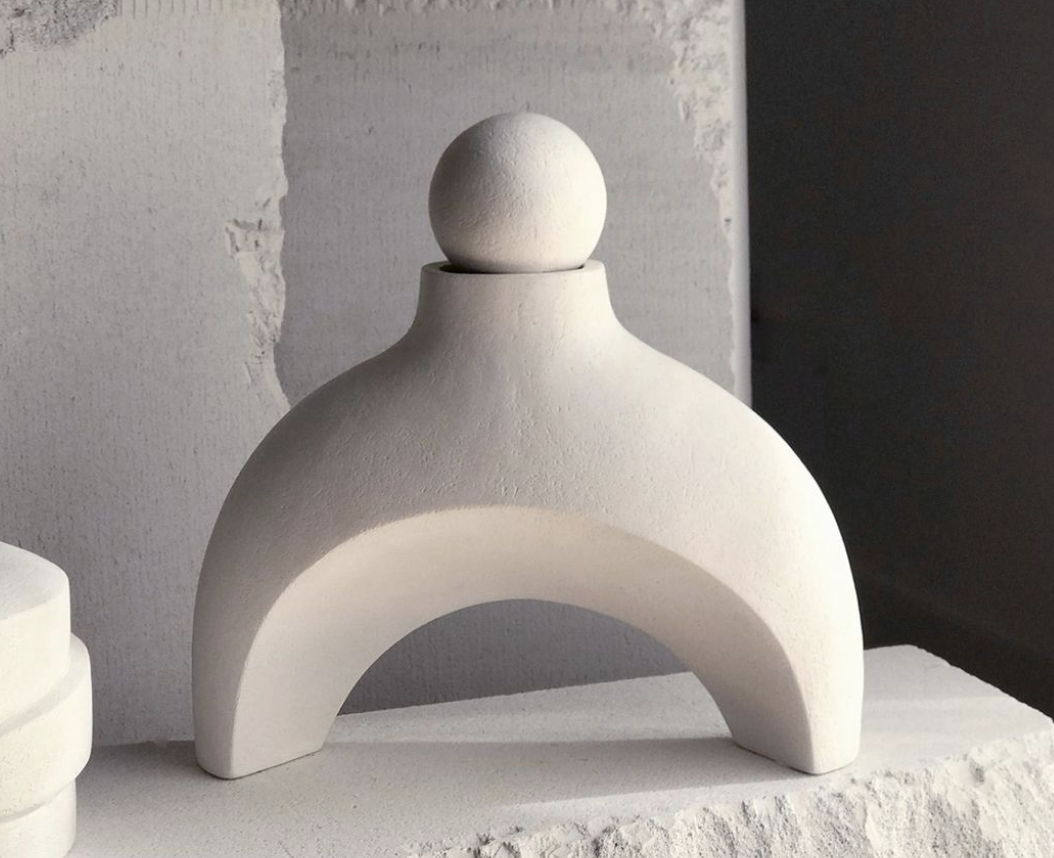
an object you enjoy looking at
jan vogelpoel’s pictured work suggests movement through a sculptural form. consider the view from nearby seating and leave space around the outline. art selection can start with an existing piece and the place you most enjoy encountering it.