
a home for everyday life
a home is experienced through small, repeated moments: arriving, preparing a meal, reading beside a window. an interior that supports these routines can feel settled without being sparse or overly prescribed.
this archive reflection considers useful storage, familiar objects and the pleasure of everyday materials. our approach to interior decoration and styling begins with how a home is lived in, rather than a fixed idea of how it should look.
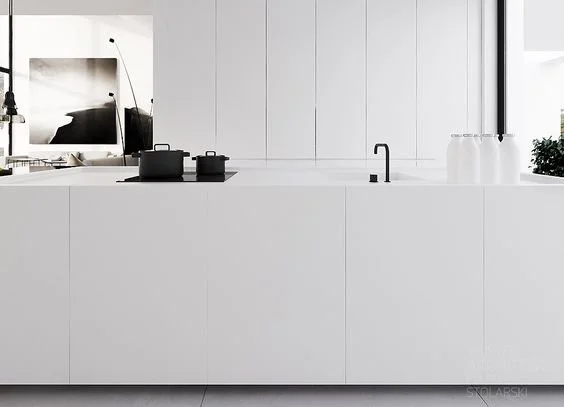
make room for what matters
review what is used, valued and worth repairing. objects with personal meaning deserve a place alongside practical essentials. thoughtful organisation can make cupboards easier to use without removing the character of a home.
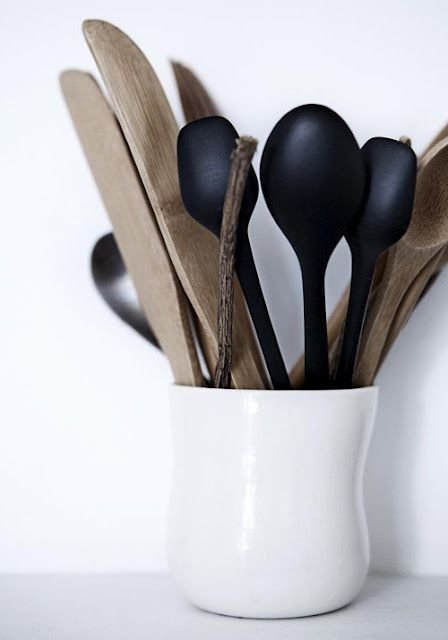
consider the everyday objects
utensils, vessels and serving pieces contribute to an interior through their material, shape and touch. select useful pieces that sit comfortably with the existing palette; a few considered additions may be enough.
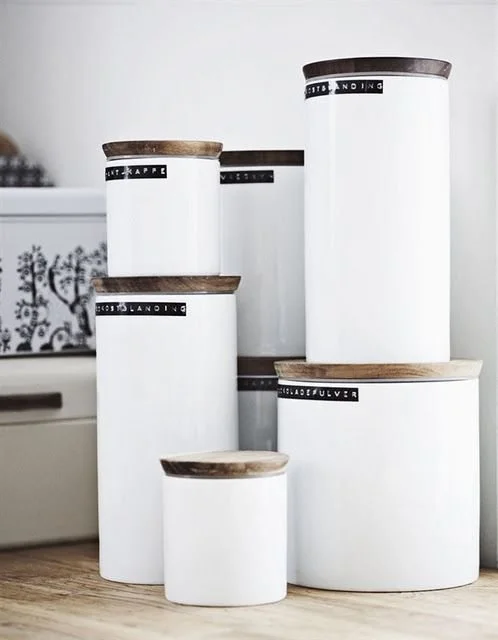
a clear place for essentials
simple containers and discreet labels can make frequently used items easier to find. where storage is designed into the room, bespoke joinery allows the contents, access and proportions to be considered together.
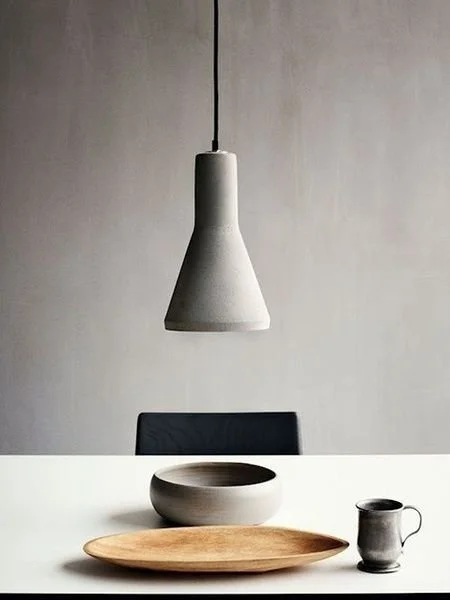
crockery is handled every day. the weight of a bowl, the edge of a cup and the finish of a plate are worth considering as carefully as their colour. choose pieces for the way they feel and function, as well as the way they appear.
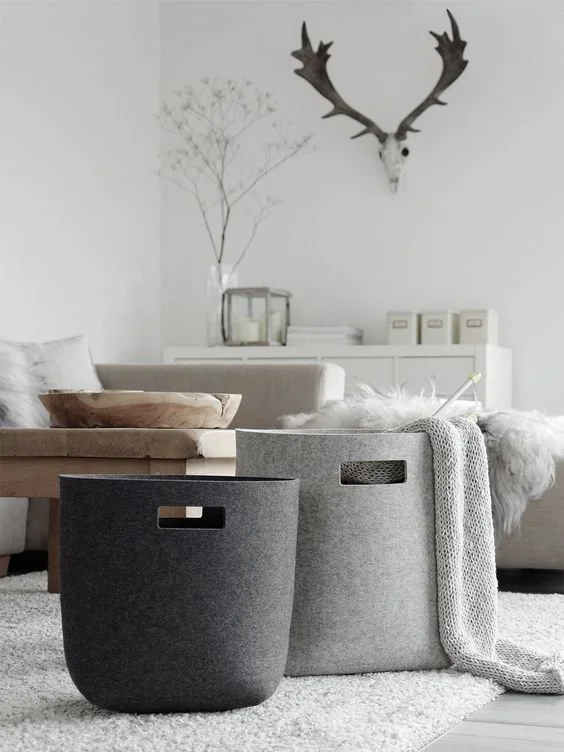
a basket or an integrated cupboard can give throws and everyday belongings a convenient home. storage works best when it is close to where things are used and easy to return to.
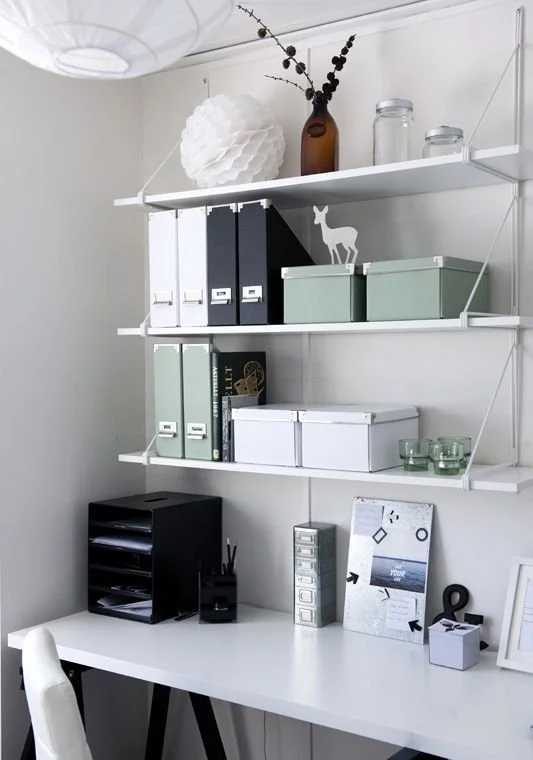
allow the palette to be personal
colour can be quiet or expressive. its balance depends on the room, the light and the objects already within it. a colour consultation considers these relationships rather than applying a fixed percentage or formula.
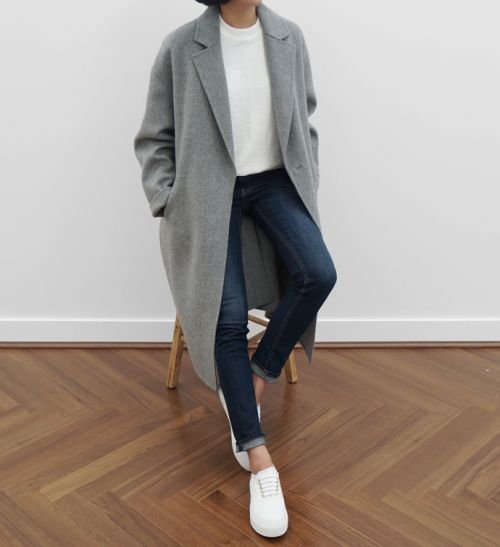
space to pause
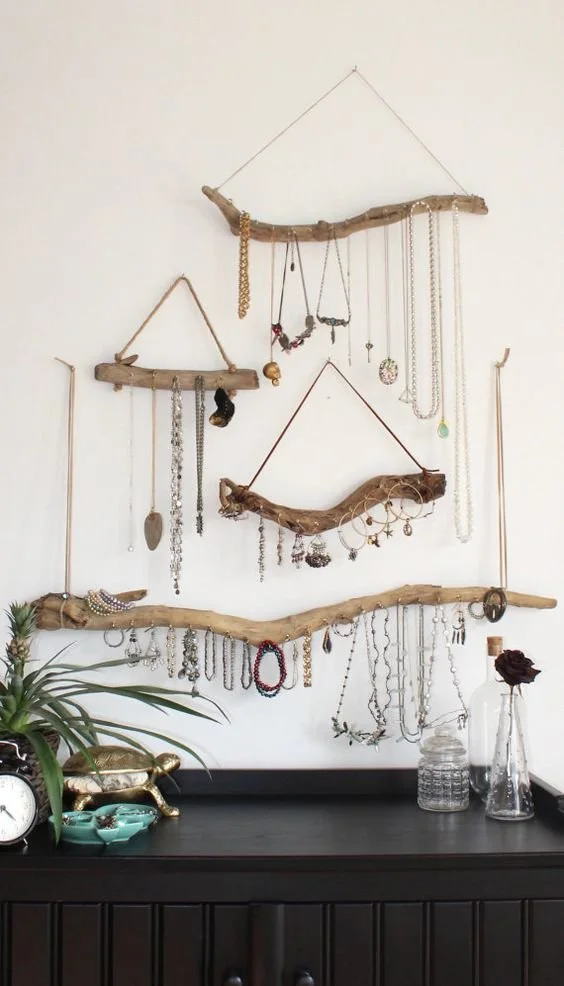
a branch, a garden clipping or a small arrangement can connect the interior with its surroundings. observe the colours and forms already present outside, and bring them indoors in a way that feels natural to the setting.

an interior need not be completed all at once. retain the pieces that matter, resolve the practical details and allow the room to evolve. our melbourne studio brings these decisions together through a considered, collaborative design process.